Feeding Yourself While Feeding Everyone Else: Quick Nutrition for Caregivers
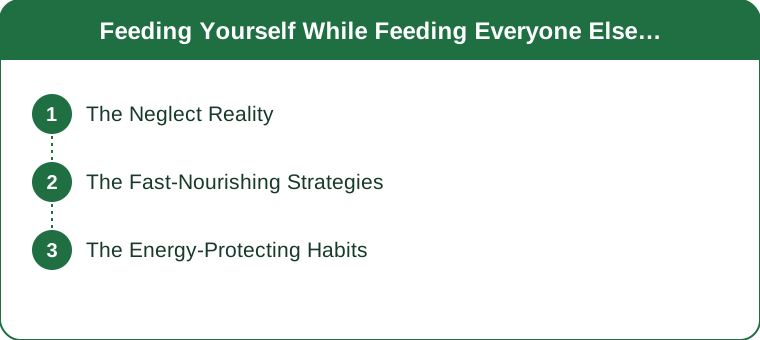
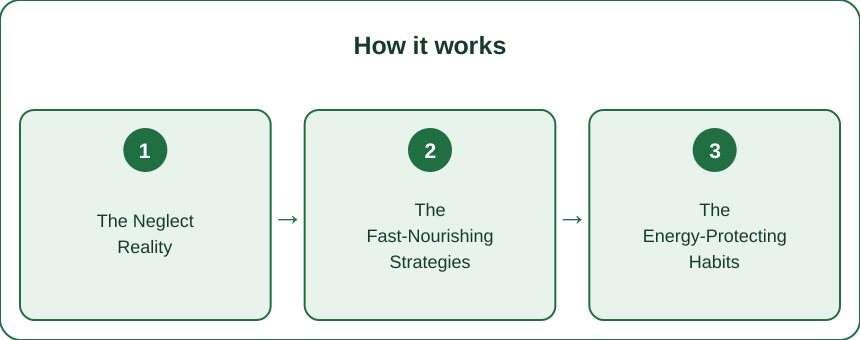
The caregiver feeds everyone — the person they care for, the family, the schedule — and eats standing up, if at all. Caregiver nutrition is the first thing to collapse and one of the most important to protect, because you can’t pour from an empty, under-fueled cup. The guide: the neglect reality, the fast-nourishing strategies and the energy-protecting habits.

The Neglect Reality
Why caregivers under-eat: the last-on-the-list pattern (the caregiver’s own needs deferred behind everyone’s — the eat-the-scraps, skip-the-meal habit; the self-care chapter’s whole thesis), the no-time-to-cook squeeze (the caregiving schedule that eats the cooking time — the grab-whatever default; the convenience-food-and-skipped-meals reality), the stress-eating-or-not-eating swing (the emotional eating or the too-stressed-to-eat extremes — the dysregulated fueling of chronic stress; the both-directions honesty), the energy-cost consequence (the under-fueled caregiver running on empty — the fatigue that undermines the caregiving; the you-matter-too reframe), and the sustainability stake (the caregiver nutrition as caregiving infrastructure, not indulgence — the fuel-the-caregiver-to-sustain-the-care logic; the respite-and-sleep chapters’ companion).

The Fast-Nourishing Strategies
Eating well without time: the make-ahead-when-you-can habit (the batch-cook in the rare window — the freezer meals for the no-time days; the make-ahead-breakfast and batch-cooking chapters’ rescue for caregivers), the assembly-not-cooking meals (the no-cook nourishing plates — the yogurt-and-fruit, the cheese-and-crackers-and-veg, the canned-fish-on-toast; the two-minute real food), the one-handed-and-portable options (the eat-while-caring realities — the smoothies, the wraps, the trail-mix; the nourishment that fits the chaos), the stock-the-good-defaults (the fridge-and-pantry set up for fast-healthy — the frozen vegetables, the pre-cooked proteins, the grab-and-go fruit; the environment-does-the-work from the budget-eats chapter), the accept-help-with-food (the let-people-bring-meals, the meal-train, the grocery-delivery — the accepting-help that the respite chapter urges; the food as the easiest help to accept), and the good-enough standard (the nourishing-not-gourmet bar — the fed-and-functioning over the perfect; the realistic caregiver kitchen).
The Energy-Protecting Habits
Fueling for the long haul: the don’t-skip-meals rule (the regular-fuel that steadies the energy and mood — the skip-then-crash pattern that caregiving can’t afford; the blood-sugar-steady eating), the protein-and-produce priority (the fatigue-fighting, immune-supporting basics — the caregiver-illness risk that nutrition helps; the immune-and-energy chapters), the hydration-and-caffeine balance (the water-first, coffee-in-moderation habit — the running-on-caffeine crash avoided; the hydration that fatigue mimics), the eat-sitting-down-sometimes (the even-one-real-meal-seated per day — the nervous-system-and-digestion benefit of not always eating on the run), the pair-with-the-other-self-care (the nutrition alongside the sleep, the movement and the respite — the whole caregiver-sustainability picture; the self-care chapter’s integration), and the frame (caregiver nutrition as the fuel that sustains the caring — the make-ahead, the assembly-meals and the accept-help strategies that keep the caregiver fed; the empty cup refilled enough to keep pouring). Stock the defaults, assemble don’t cook, accept food-help: the caregiver, fueled.
Caregivers eat last, standing up, if at all — but under-fueling undermines the caring. Stock fast-healthy defaults, lean on assembly meals and make-ahead batches, accept food-help gratefully, and don’t skip meals. Fueling yourself is caregiving infrastructure, not indulgence.
Keep Reading
This article is for general informational purposes only and is not medical advice. Always consult a qualified health professional for guidance specific to you.