What Are the Early Warning Signs of Caregiver Burnout — Before It Becomes a Crisis?
Quick Answer: Early caregiver burnout often shows up as persistent exhaustion that sleep doesn’t fix, irritability toward the person you’re caring for, and a growing sense of resentment or detachment — these are distinct from ordinary tiredness and worth addressing before they progress further.
You tell yourself you’re just tired, that everyone in your situation would feel this way. Some of what you’re feeling is ordinary caregiver fatigue — but some of it may be an earlier stage of something that gets harder to reverse the longer it goes unaddressed.

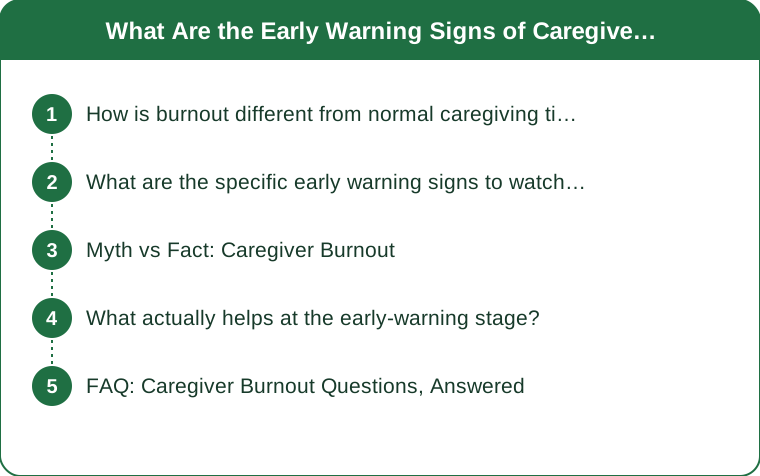
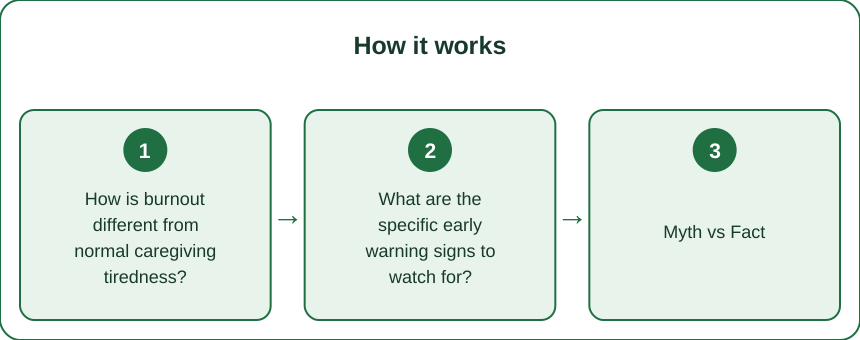
How is burnout different from normal caregiving tiredness?
Normal tiredness resolves with rest; burnout exhaustion often doesn’t fully lift even after sleep or a day off, because it’s driven by chronic emotional and physical demand, not a single bad week.
Burnout also tends to bring emotional changes — irritability, detachment, or resentment toward the person you’re caring for — that plain tiredness usually doesn’t produce on its own.
What are the specific early warning signs to watch for?
- Persistent exhaustion that doesn’t improve with a normal night’s sleep
- Increased irritability or short temper, especially toward the care recipient
- Withdrawing from friends or activities you’d normally maintain
- Feeling emotionally numb or detached rather than actively distressed
- Getting sick more often, as chronic stress affects immune function
- Neglecting your own medical appointments or basic needs consistently
One or two of these occasionally is common caregiver fatigue; several persisting together over weeks is a pattern worth taking seriously.

Myth vs Fact: Caregiver Burnout
Myth: Burnout means you’re not cut out for caregiving. Fact: Burnout is a predictable response to chronic, high-demand caregiving — it reflects the situation’s intensity, not a personal failing or lack of love for the person you’re caring for.
Myth: You’ll recognize burnout easily when it happens. Fact: Many caregivers minimize or normalize early symptoms for months, attributing them to being ‘just tired’ or ‘just stressed,’ which is exactly why the early signs matter to know in advance.
Myth: Taking a break means you’re abandoning your responsibilities. Fact: Respite care and short breaks are a recognized part of sustainable caregiving, not a shortcut around it — burnout that goes unaddressed often ends up compromising care quality more than a planned break would.
What actually helps at the early-warning stage?
Naming it specifically — telling even one person (‘I think I’m heading toward burnout’) tends to open doors to help that stay closed when everything is framed as just being busy.
Scheduling actual respite time, even short blocks, before exhaustion becomes severe — waiting until you’re in crisis makes arranging help both harder logistically and more urgent emotionally at the same time.
FAQ: Caregiver Burnout Questions, Answered
How long does caregiver burnout usually take to develop?
It varies widely — weeks to years, depending on caregiving intensity and available support — which is part of why gradual warning signs are easy to miss.
Is it normal to feel resentment toward the person I’m caring for?
Yes, this is a common and recognized experience among caregivers and doesn’t mean you don’t love or want to help them — acknowledging it is more useful than suppressing it.
When should I seek professional support for caregiver burnout?
If exhaustion, detachment, or irritability persist for several weeks despite trying to rest, or if you notice signs of depression, a conversation with a doctor or counselor is a reasonable next step. This is general information, not medical advice.
TL;DR:
- Burnout exhaustion often doesn’t resolve with sleep the way ordinary tiredness does
- Irritability, detachment, and getting sick more often are common early signs
- Burnout reflects the caregiving situation’s demands, not a personal failing
- Naming it early and scheduling respite before crisis point both genuinely help
This is general information, not medical advice — early recognition makes intervention far easier than waiting for a breaking point.
Keep Reading
This article is for general informational purposes only and is not medical advice. Always consult a qualified health professional for guidance specific to you.