The Early Caregiver Burnout Signs That Show Up Long Before You Feel Like You're Drowning
Quick Answer: Early caregiver burnout signs include increasing irritability over small things, skipping your own medical appointments while managing someone else’s, feeling resentment you immediately feel guilty about, and losing interest in activities you used to enjoy — these typically appear weeks to months before the more commonly recognized ‘complete exhaustion’ stage.
The warning signs that actually matter rarely look like collapse. They look like snapping at small things, skipping your own dentist appointment again, and a kind of guilt-laced resentment that’s easy to explain away as just being tired.

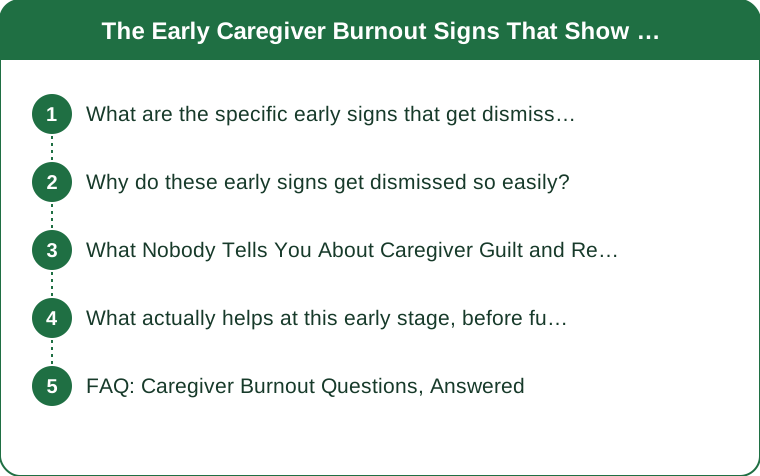
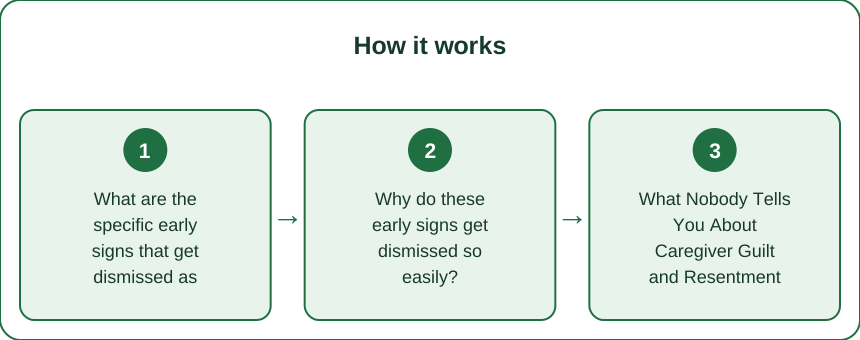
What are the specific early signs that get dismissed as ‘just being busy’?
Increasing irritability over minor issues, skipping your own healthcare appointments, resentment toward the person you’re caring for followed by guilt, and losing interest in previously enjoyed activities are all documented early-stage caregiver burnout signs — each one individually can be explained away as normal busyness, which is exactly why they get missed until they compound.
Another frequently overlooked sign: increasingly relying on caffeine, sugar, or alcohol to get through days, which often starts as an occasional coping tool and becomes a daily pattern without a clear moment of realization.
Why do these early signs get dismissed so easily?
Caregiving culture often frames self-sacrifice as expected and even admirable, which makes early burnout signs feel like personal weakness to push through rather than legitimate warning signs to address — many caregivers describe feeling guilty even acknowledging exhaustion, since the person they’re caring for ‘has it worse.’
This framing is exactly what allows burnout to progress from early signs to full crisis, since the early, more manageable stage often goes unaddressed precisely because it doesn’t feel severe enough to warrant attention or help.

What Nobody Tells You About Caregiver Guilt and Resentment
Resentment toward the person you’re caring for is an extremely common, normal caregiver experience — not a sign you’re a bad caregiver or don’t love them. It’s a predictable response to sustained stress and loss of personal time, and the guilt that follows it often does more damage than the resentment itself.
Many caregiver support professionals specifically note that naming and normalizing this resentment-guilt cycle, rather than suppressing it, is one of the more effective early interventions — suppressing it tends to intensify both feelings over time.
What actually helps at this early stage, before full burnout sets in?
Scheduling your own overdue medical appointments, accepting even small amounts of respite help, and connecting with a caregiver support group are all effective early interventions — the key is acting on early signs rather than waiting until exhaustion feels undeniable, since intervention is generally easier and more effective earlier in the pattern.
Even small, regular breaks (a couple of hours weekly) meaningfully reduce burnout progression compared to no breaks at all, according to caregiver research — it doesn’t require a dramatic life change to make a real difference.
FAQ: Caregiver Burnout Questions, Answered
Is it normal to feel resentment toward the person I’m caring for?
Yes, this is an extremely common and normal response to sustained caregiving stress — it doesn’t reflect on your care quality or love for that person.
How do I ask for help without feeling like I’m failing at caregiving?
Reframing help-seeking as sustaining your ability to provide long-term care, rather than admitting failure, is a shift many caregiver support professionals recommend.
When does caregiver burnout warrant professional mental health support?
If resentment, exhaustion, or hopelessness feel persistent and unmanageable despite trying small interventions, a therapist experienced with caregiver stress specifically can help.
TL;DR:
- Early burnout signs include irritability, skipped self-care, resentment-guilt cycles, and lost interest in hobbies
- Caregiving culture often dismisses these signs as normal busyness, delaying intervention
- Resentment toward the person you care for is common and doesn’t reflect poor caregiving
- Small regular breaks and early support-seeking are more effective than waiting for crisis
The signs worth taking seriously are the quiet ones that show up now, not the collapse that shows up later. This is general information, not medical advice.
Keep Reading
This article is for general informational purposes only and is not medical advice. Always consult a qualified health professional for guidance specific to you.